Each stitch pattern carries centuries of tradition. These techniques have been refined through generations, each one chosen for its specific structural benefit and aesthetic quality. Understanding these methods empowers you to select the right approach for each repair challenge.
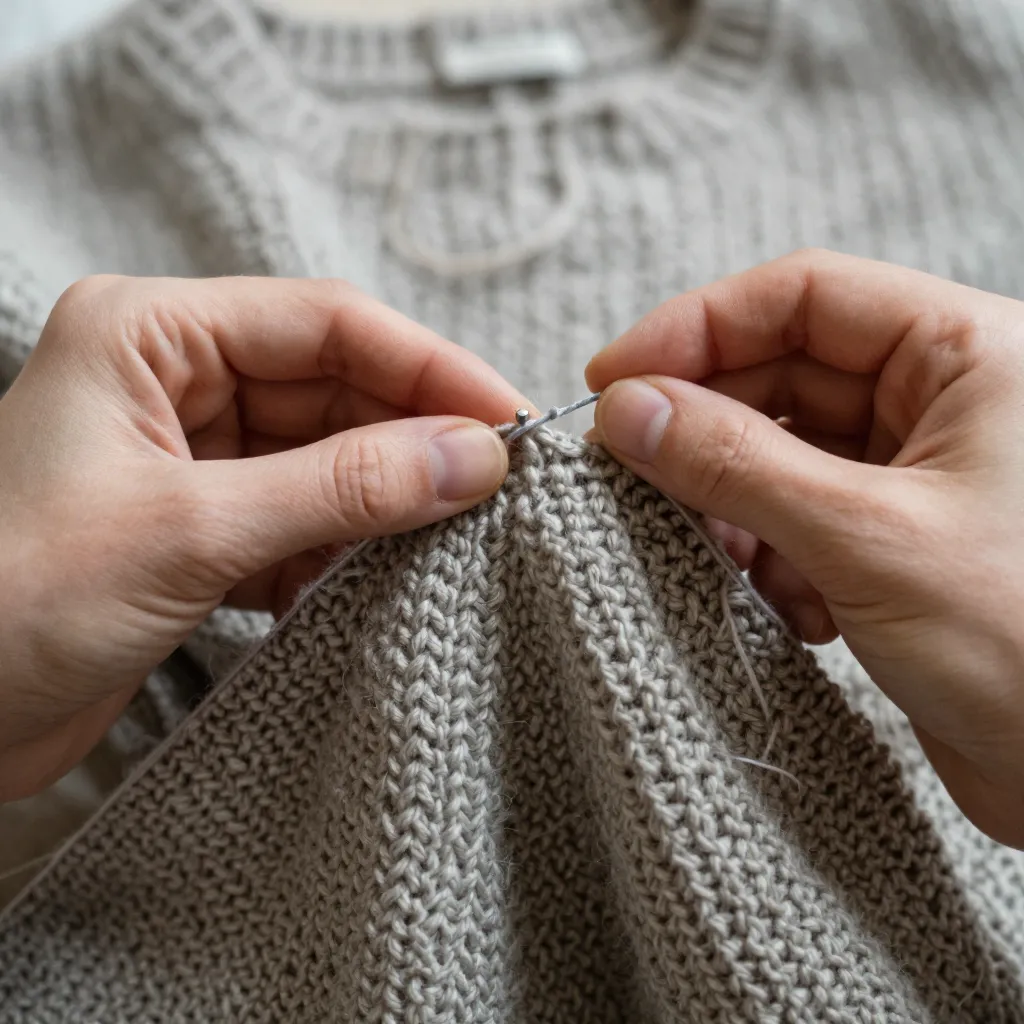
Sashiko Running Stitch
Originating from Japanese textile traditions, the Sashiko running stitch creates decorative yet functional reinforcement. The evenly spaced running stitches form geometric patterns that distribute stress across fabric, preventing further tearing while adding visual interest. This technique excels on denim, canvas, and heavy cotton fabrics where durability meets design.
The structural benefit lies in its ability to strengthen weak areas without adding bulk. Each stitch creates a small reinforcement point, and when combined in patterns, they form a network of support that extends the garment's lifespan significantly.

Swiss Darning Method
Also known as duplicate stitch, Swiss darning recreates the appearance of knitted fabric by following the existing stitch structure. This method is essential for repairing holes in sweaters, socks, and other knit garments without creating visible seams or patches.
The technique involves carefully tracing the path of existing stitches with a darning needle, essentially weaving new yarn through the damaged area to match the original pattern. This creates an invisible repair that maintains the garment's flexibility and appearance. The structural benefit is maintaining the knit's natural stretch while restoring its integrity.
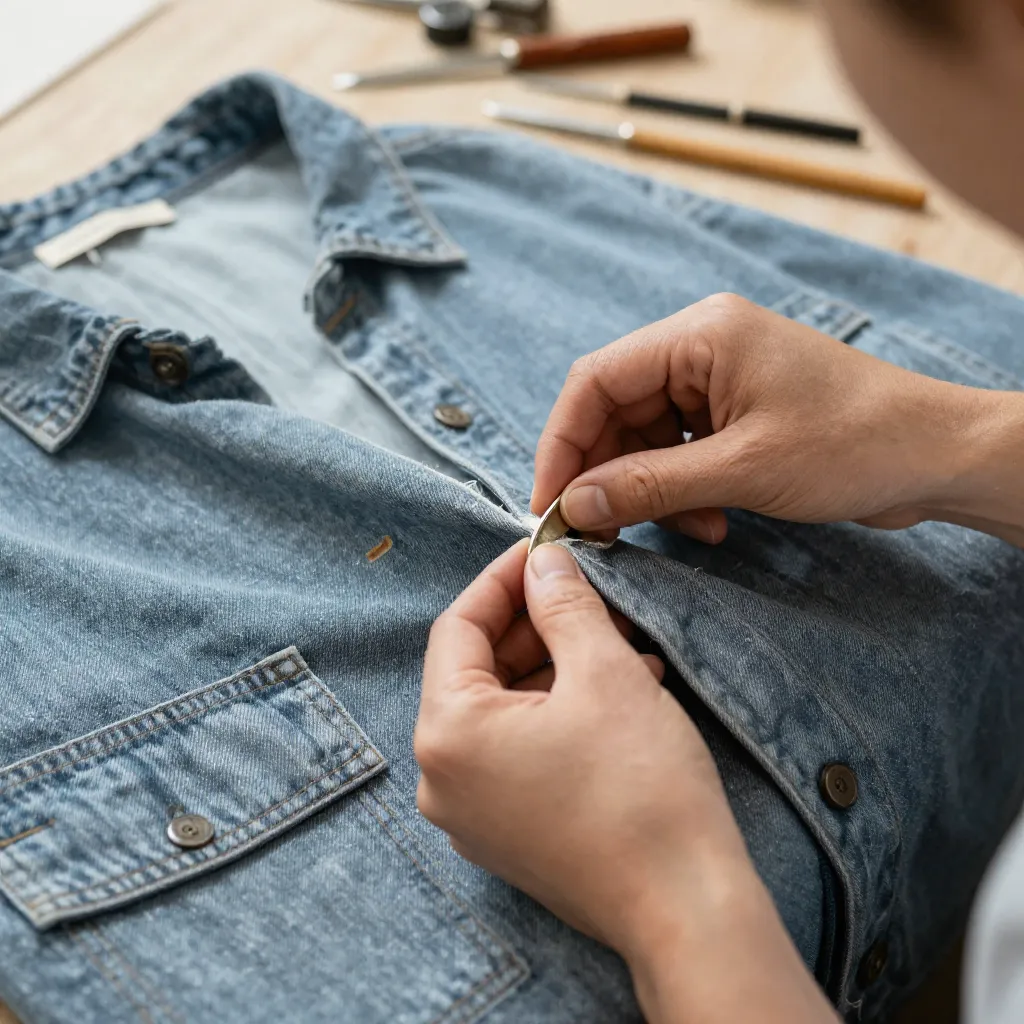
Blanket Stitch
The blanket stitch serves dual purposes: decorative edge finishing and functional reinforcement. This versatile technique creates a series of interlocking loops along fabric edges, preventing fraying while adding a handcrafted aesthetic. It's particularly effective on raw edges, appliqué work, and visible repairs where the stitching becomes part of the design.
Structurally, the blanket stitch creates a barrier that prevents unraveling while distributing tension evenly along the edge. The interlocking loops form a flexible yet secure finish that adapts to fabric movement. This makes it ideal for repairs on vintage garments where maintaining original drape and movement is crucial.
Choosing the Right Technique
Fabric Type Considerations
Different fabrics respond differently to various stitching techniques. Woven fabrics like cotton and linen work well with running stitches and darning, while knits require methods that preserve stretch. Delicate silks may need finer threads and smaller stitches, whereas heavy denim can handle bold Sashiko patterns.
Understanding fiber content helps determine thread selection and stitch tension. Natural fibers often require different approaches than synthetic blends, and vintage fabrics may have specific characteristics that influence technique choice.
Structural vs. Decorative
Some repairs prioritize structural integrity, while others embrace visible mending as a design element. Sashiko and blanket stitches can serve both purposes, creating repairs that are both functional and beautiful.
When structural strength is paramount, techniques like Swiss darning maintain invisibility. When celebrating the repair process, visible techniques like Sashiko transform damage into artistry. The choice depends on the garment's purpose, your aesthetic preferences, and the extent of damage.
Mastering the Basics
Before attempting complex repairs, mastering fundamental techniques ensures successful outcomes. Practice on fabric scraps to develop muscle memory and understand how different threads interact with various materials.
Thread Selection
Choose threads that match or complement your fabric's weight and fiber content. Natural fibers work best with natural threads, while synthetic fabrics may require synthetic threads for optimal durability.
Stitch Spacing
Consistent stitch spacing creates even tension distribution. Too tight, and fabric may pucker. Too loose, and the repair lacks strength. Practice finding the balance that works for your specific project.
Color Harmony
Whether matching exactly or choosing contrasting colors, thread selection impacts the final appearance. Consider how the repair will look over time as fabrics age and fade.