Discovering a vintage garment in a Finnish flea market requires careful examination. Quality indicators reveal themselves through construction details that many overlook. This guide teaches you to recognize signs of craftsmanship that make a piece worth restoring.
Examining Seam Construction
High-quality vintage garments feature carefully finished seams that reveal the maker's attention to detail. Look for French seams on delicate fabrics, flat-felled seams on workwear, and bound edges on unlined garments. These techniques indicate thoughtful construction designed for longevity.
Inspect seam allowances—generous allowances suggest the garment was made to be altered or repaired. Narrow allowances may indicate mass production or limited fabric. Well-pressed seams that lie flat demonstrate professional finishing techniques.
Hidden Hem Allowances
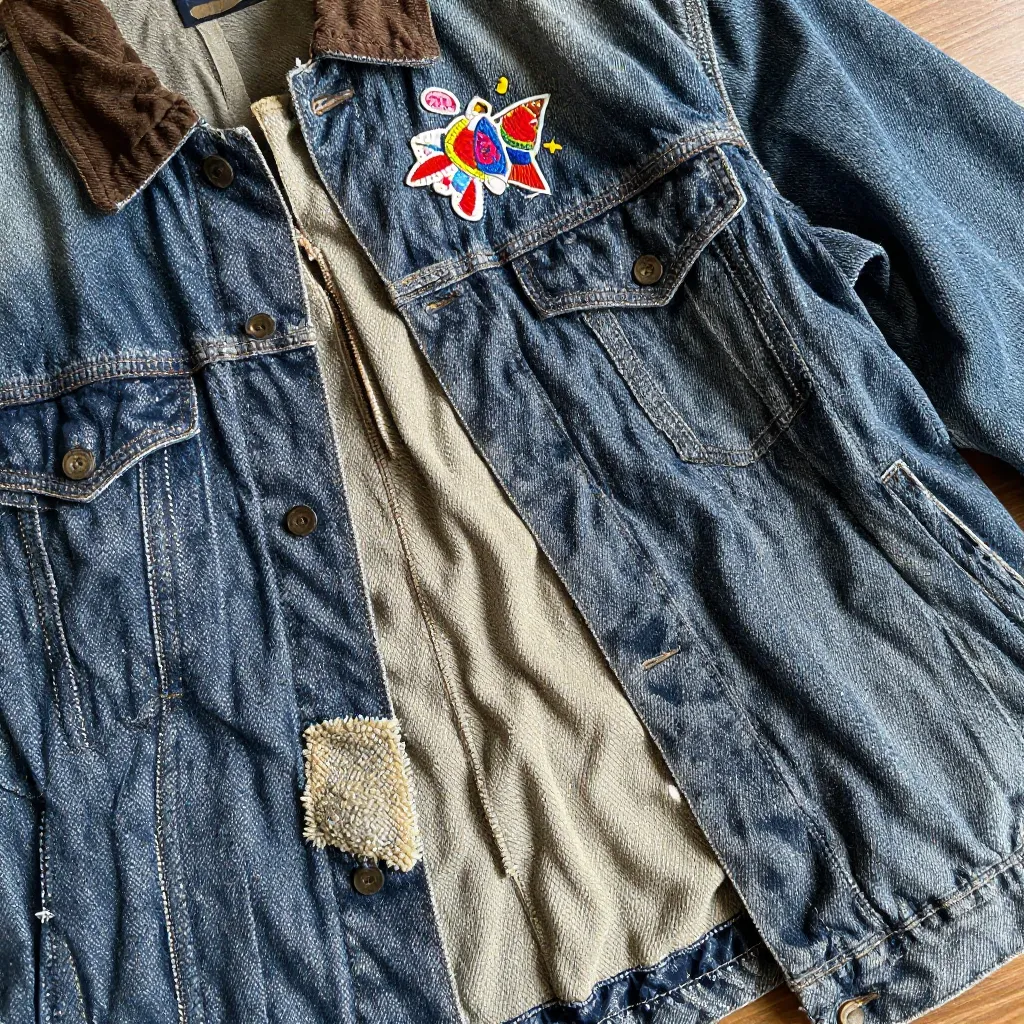
Turn garments inside out and examine hem construction. Quality pieces often include substantial hem allowances—sometimes two inches or more—that provide material for lengthening or repair. These allowances represent fabric investment and suggest the garment was intended to last.
Look for hand-stitched hems on delicate fabrics, which indicate careful construction. Machine-stitched hems on sturdy fabrics are also acceptable, but the thread quality and stitch consistency matter. Frayed or loose hem threads may indicate previous repairs or poor original construction.
Fiber Potential Assessment
Understanding fiber content helps determine restoration possibilities. Natural fibers like wool, cotton, and silk respond well to traditional repair methods. Synthetic blends may require different approaches. Check care labels if present, but also perform burn tests on fabric scraps to identify fiber content.
Assess fabric condition: Are there areas of thinning that suggest wear patterns? Is the fabric still supple, or has it become brittle? These factors influence repair strategy. Strong fabric with isolated damage offers more restoration potential than overall deterioration.
Hardware and Fastenings
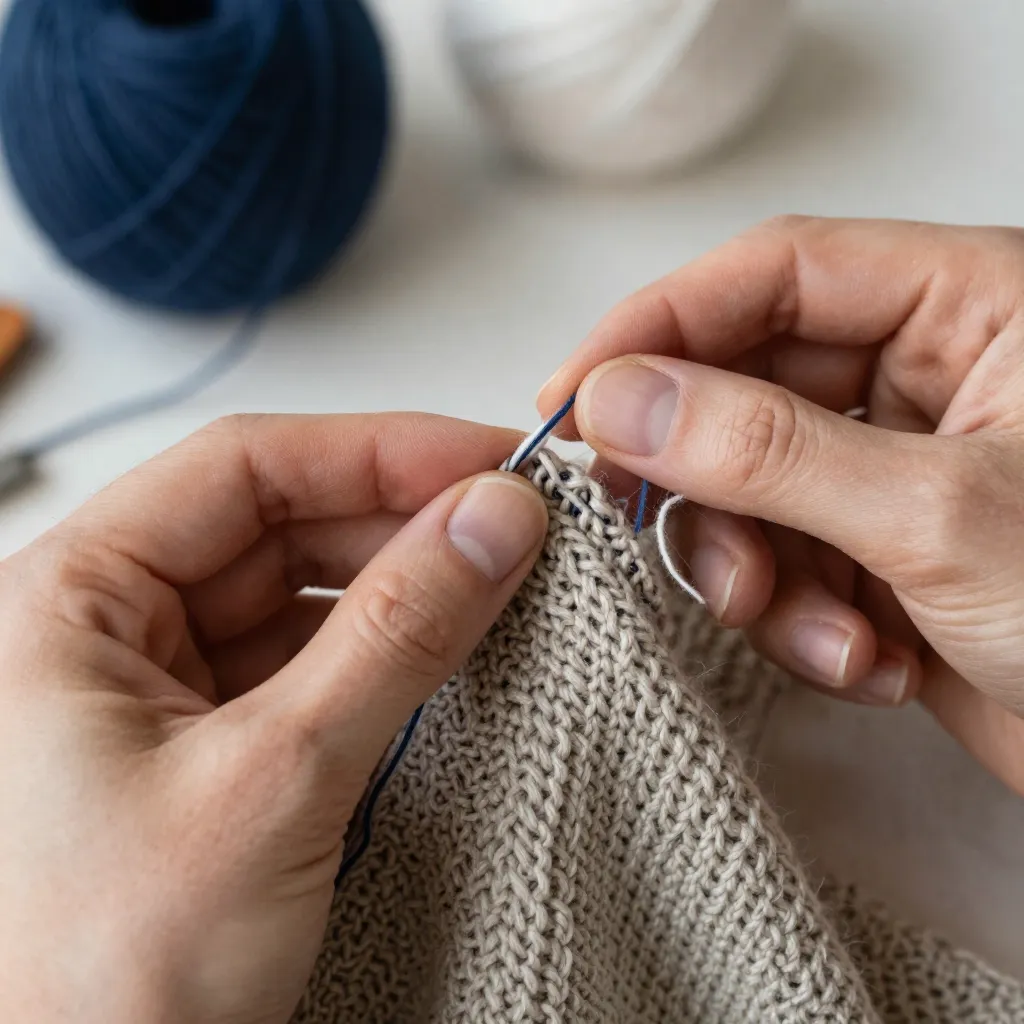
Examine buttons, zippers, and other fastenings. Quality vintage garments often feature substantial hardware—heavy buttons, metal zippers with fabric tape, or hand-worked buttonholes. These details indicate investment in materials and suggest the garment was made to endure.
Check for original fastenings versus replacements. Original hardware that matches the garment's era adds value and authenticity. Well-functioning vintage zippers, even if slightly tarnished, often outlast modern alternatives when properly maintained.
Pattern Matching and Grain
Quality construction aligns patterns at seams and respects fabric grain. Check whether stripes, plaids, or prints match at seam intersections. This attention to detail indicates skilled pattern cutting and careful construction.
Examine how the garment hangs. Does it drape naturally, suggesting proper grain alignment? Distorted drape may indicate grain issues that complicate alterations. Well-cut vintage pieces maintain their shape and movement, making them ideal candidates for restoration.
Red Flags and Warning Signs
When to Walk Away
Some damage exceeds reasonable repair efforts. Extensive fabric deterioration, particularly in areas under stress like armholes or seat seams, may indicate the garment has reached the end of its usable life. Severe staining that has weakened fibers, or damage from pests that has compromised structural integrity, often makes restoration impractical.
However, don't dismiss pieces with surface damage that doesn't affect structure. Stains, small holes, and worn areas can often be addressed through creative upcycling techniques that transform flaws into design features.
Signs of Quality Worth Restoring
Look for garments with isolated damage in otherwise strong fabric. Pieces with good seam construction, quality materials, and thoughtful design details often respond well to repair. Vintage items with interesting construction techniques or historical significance may be worth extra restoration effort.
Consider the garment's potential: Can it be transformed into something you'll actually wear? Does it have features—unique details, quality materials, interesting construction—that make restoration worthwhile? Sometimes the most rewarding projects come from pieces others might overlook.
Building Your Assessment Skills
Practice makes perfect when learning to evaluate vintage garments. Start by examining pieces you already own, then apply these skills during shopping trips. Over time, you'll develop an eye for quality that helps you make informed decisions about restoration potential.
Visual Inspection
Learn to spot quality indicators at a glance: fabric weight, construction details, and overall condition. Develop your ability to quickly assess whether a piece warrants closer examination.
Tactile Evaluation
Feel fabric weight, texture, and drape. Quality materials have a certain hand feel that indicates durability and care in selection. Practice identifying these characteristics through touch.
Creative Vision
Develop the ability to see potential beyond current condition. Sometimes the most rewarding projects come from pieces that need transformation, not just repair.